01Heritage · In the directory
The Water Tower
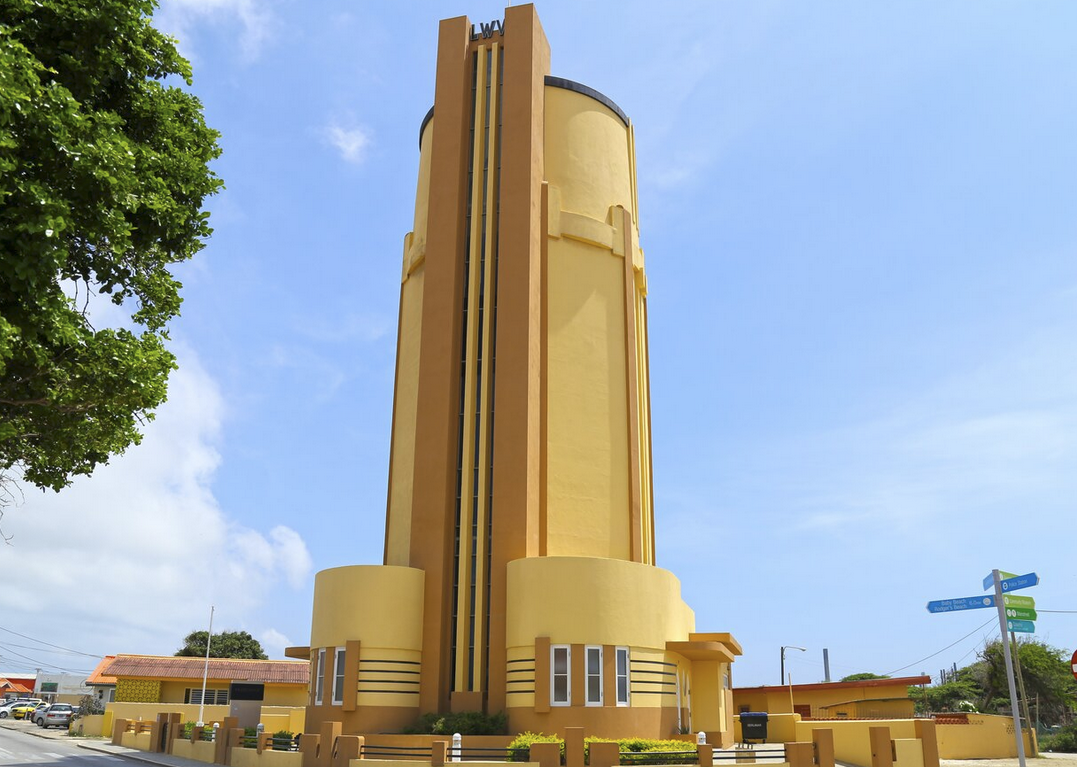
Start at the top. The old water tower holds the Museum of Industry, which is the honest version of the story you just read: gold, aloe, phosphate, oil, then tourism.
The town that refined the oil, started the Carnival and painted itself back to life.
Aruba's second city sits at the far end of the island from the resorts, and almost nobody on the strip ever goes.
For sixty years San Nicolas was where the money was made. The refinery at the eastern tip pulled in workers from across the Caribbean and beyond, and the town they built together sounds, eats and celebrates unlike anywhere else on Aruba.
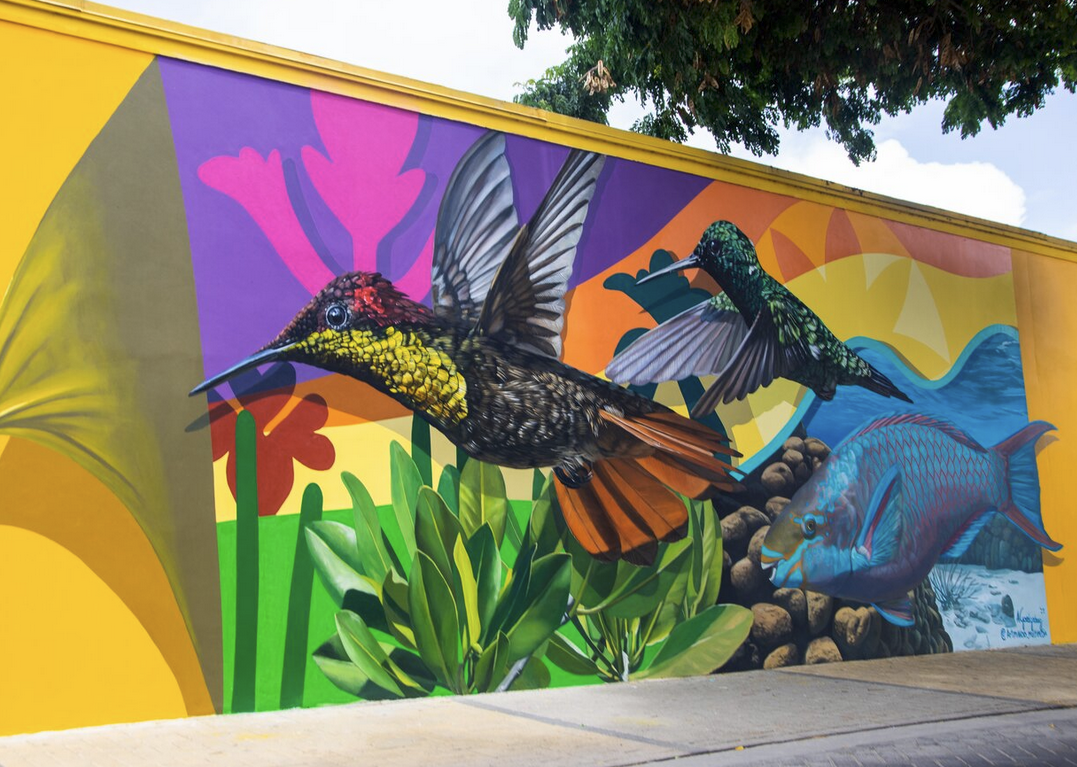
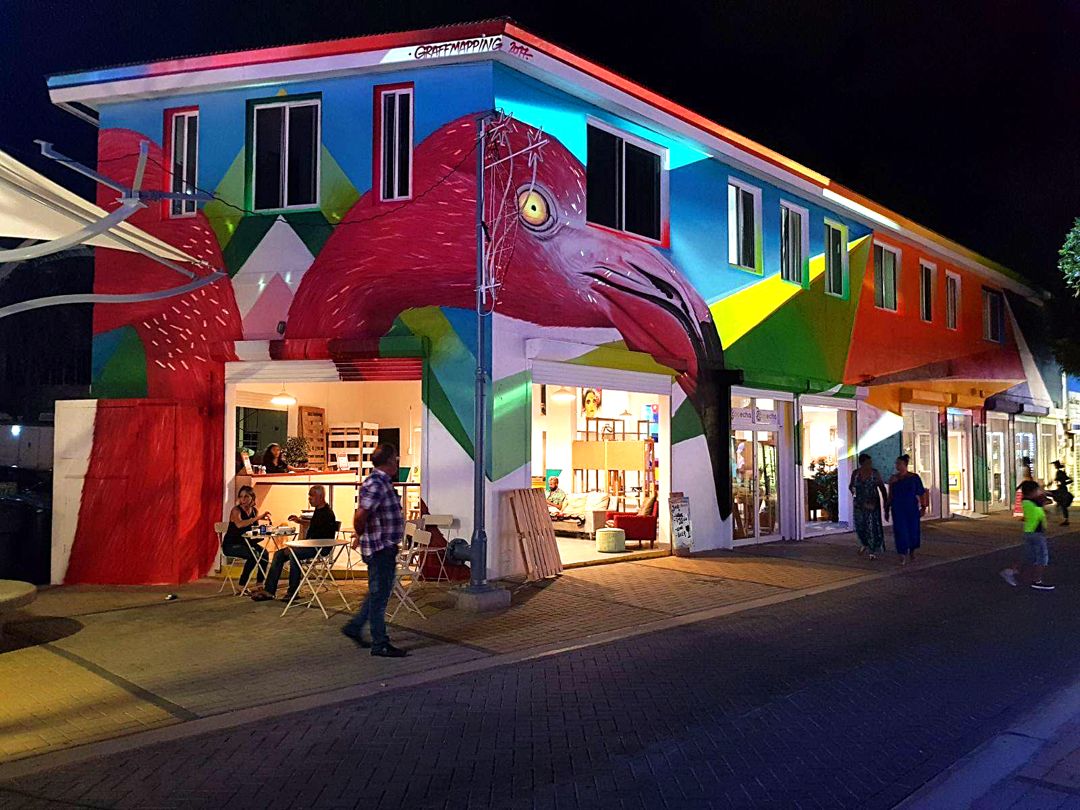
Then the refinery closed, and for thirty years the town emptied out. What happened next is the part worth the drive: San Nicolas turned its blank walls over to painters, and became an open air gallery in the middle of its own ruins.
Lago opens at the eastern tip, and within a decade San Nicolas is refining oil at a scale that matters to the whole hemisphere. The workers come from everywhere: Grenada, St Vincent, Trinidad, Suriname, Venezuela, Madeira. They bring their English, their food and their music with them.
Aruba's first organised Carnival parade rolls through San Nicolas, out of the Caribbean traditions the refinery brought to the island. Seventy years on, the island's Carnival still begins where the workers did.
Exxon shuts Lago down. The jobs go at once, families leave the island, and the shops on Main Street close one after another. It is the hardest thing that has happened to any Aruban town, and the reason the buildings you will walk past are the age they are.
The Aruba Art Fair brings muralists to San Nicolas and gives them the empty walls. They keep coming back. The blocks around Main Street now hold dozens of full building murals, and the town that was defined by what it lost is being visited for what it made.
A town that spent thirty years being described by its closure, describing itself instead.
In order, on foot, apart from the last two. Give it half a day.
Start at the top. The old water tower holds the Museum of Industry, which is the honest version of the story you just read: gold, aloe, phosphate, oil, then tourism.
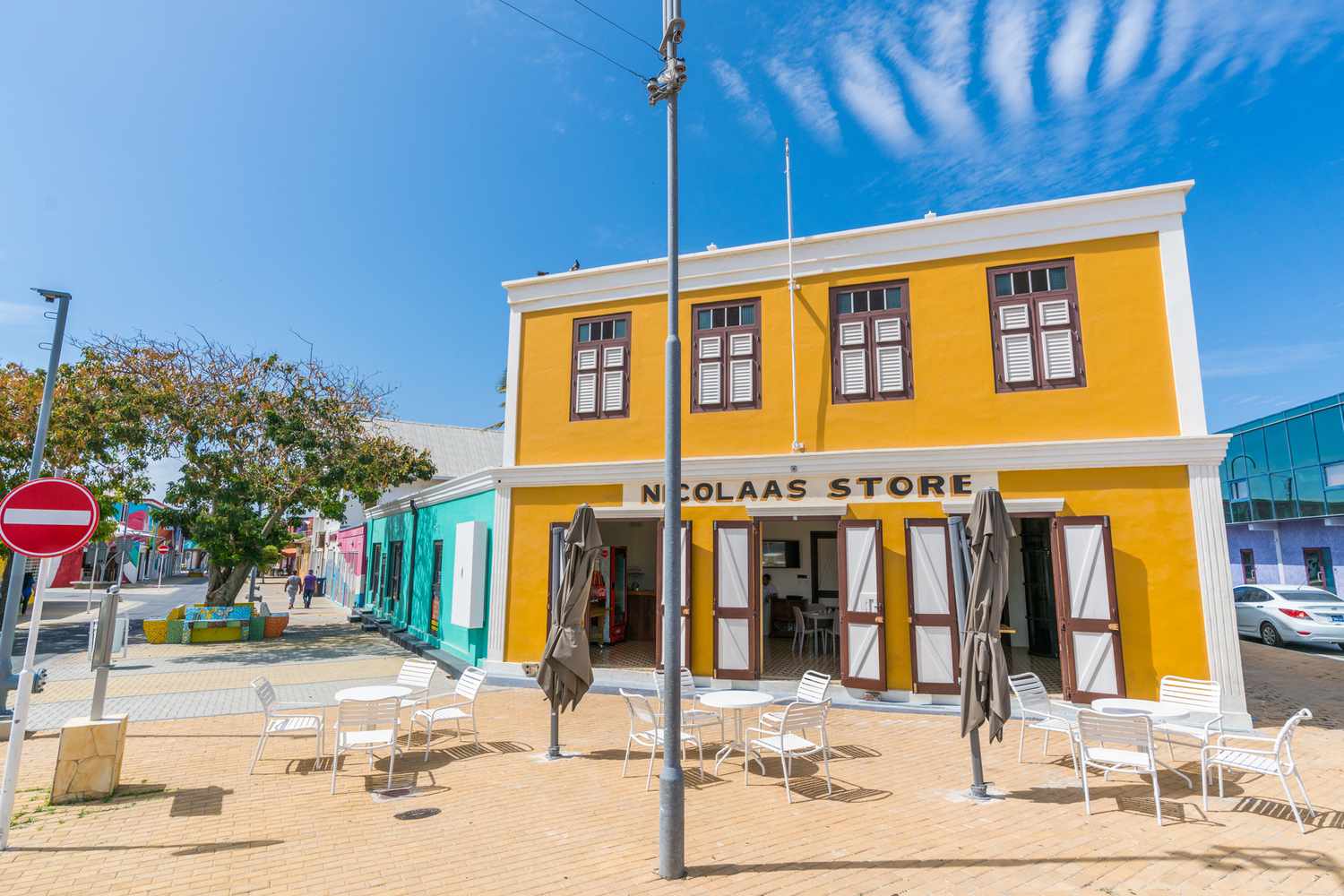
The building everybody photographs without knowing why. It is the last of the Main Street shopfronts from the refinery years still wearing its own face.
Turn any corner off Main Street. There is no route and that is the point: the paintings are on the sides of working buildings, and half the pleasure is finding one nobody told you about.
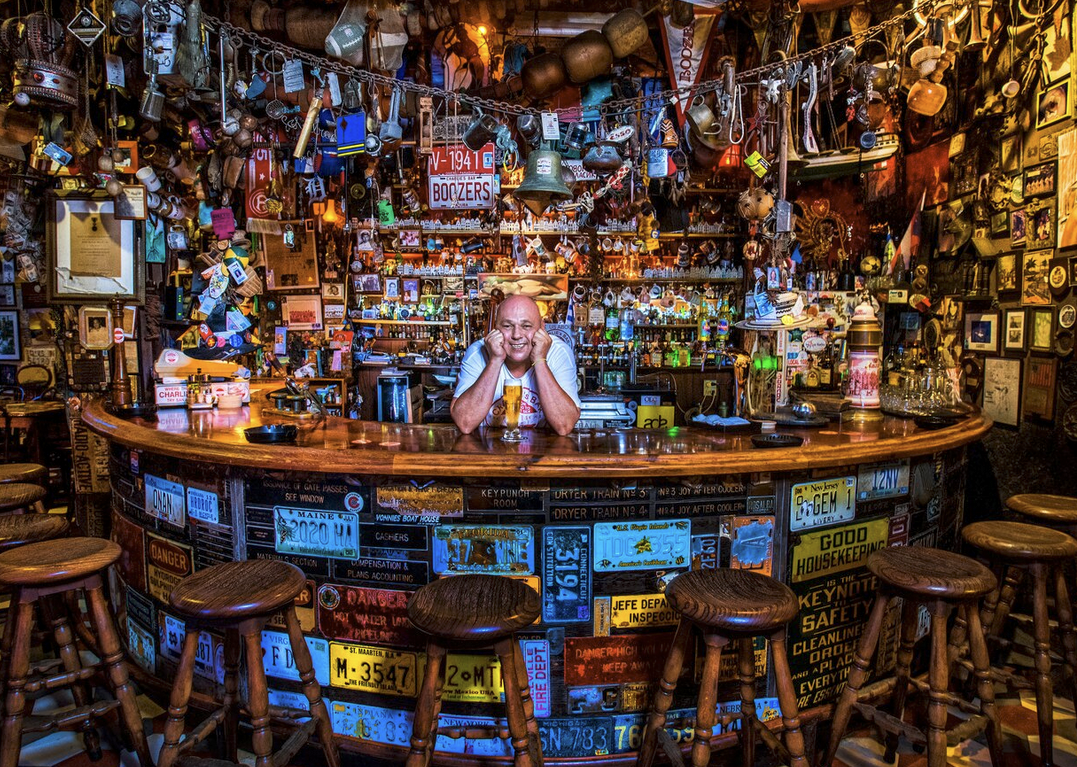
Open since 1941 and run by the same family since. Every inch of the ceiling carries something a refinery worker or a sailor left behind, which makes it the only museum on this walk you can order a drink in.
The island's certified craft makers sell out of San Nicolas, which is the difference between a souvenir and something a person on this island actually made.
If you can choose your evening, choose this one. Main Street closes, the food stalls come out and the town does what it has done since the refinery years, which is throw a Caribbean party better than anyone else on the island.
The company village on the hill above the refinery, built for the American staff and still standing. Quiet, green, and nothing else on Aruba looks remotely like it.
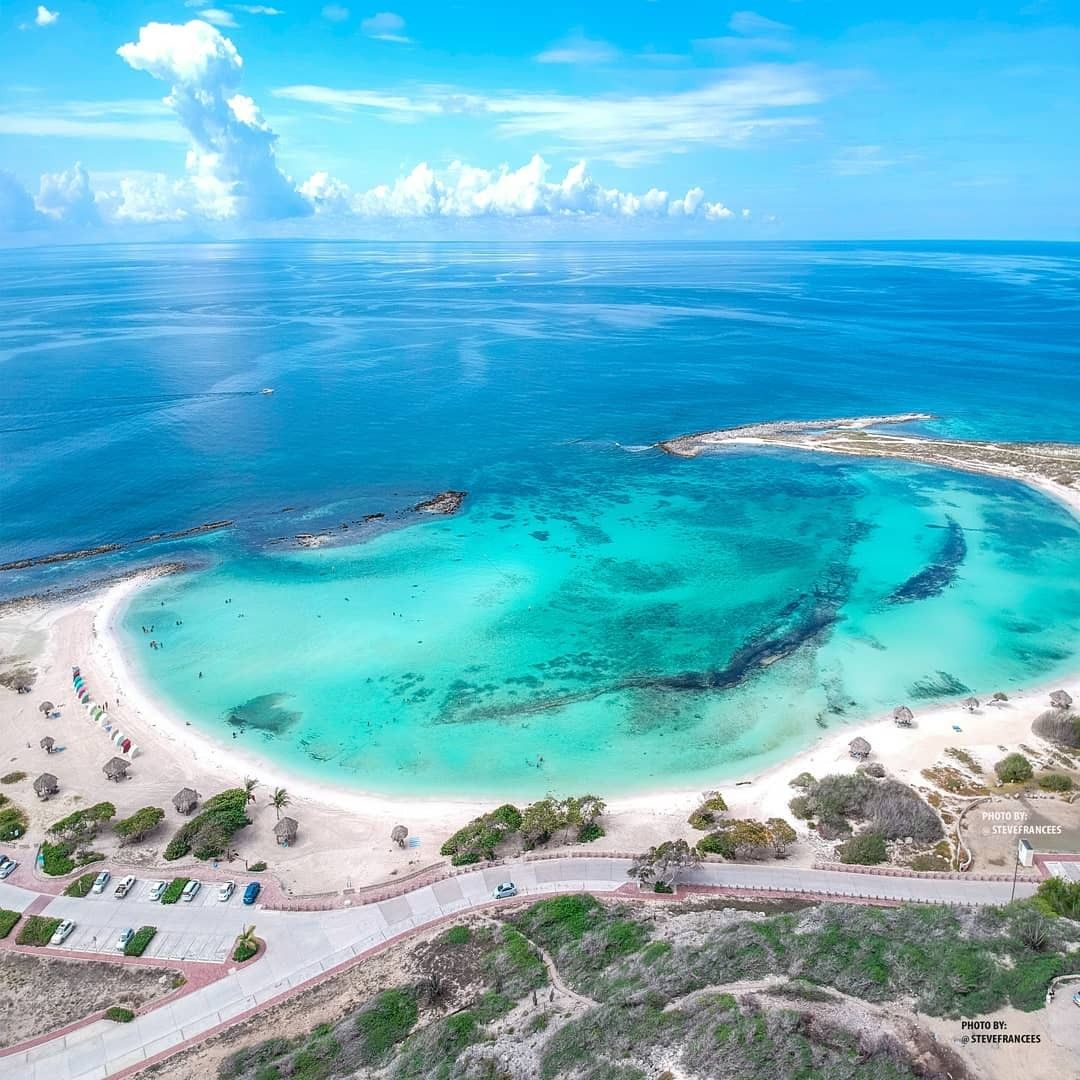
A shallow lagoon at the southern tip, calm enough to walk out a long way. It is where San Nicolas goes on a Sunday.
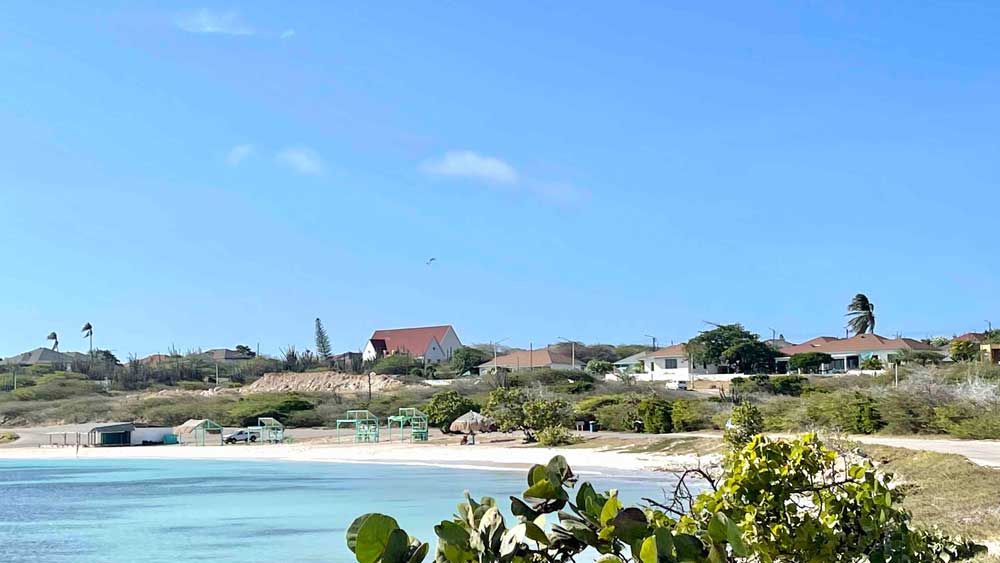
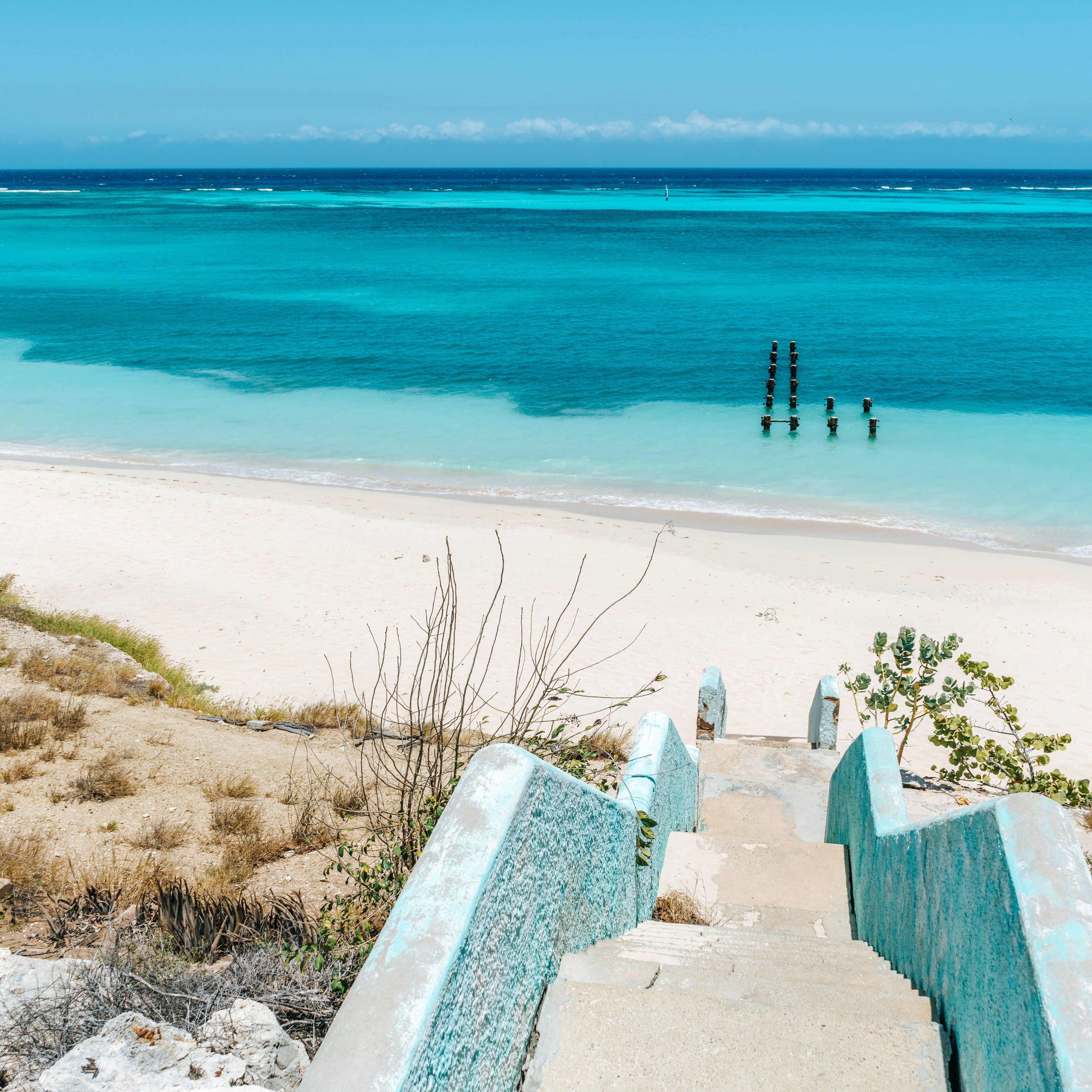
Around the headland, with the refinery in full view across the water. It is a strange and honest place to end a walk about this town, and it is beautiful.
Set by the Department of Transport and the same for every taxi on the island. Find your hotel below. The fare is for the car, not for each person.
Tell us your hotel and we will show the fare before you book anything.
Take a taxi to San Nicolas